Ground Truths, 2025
Single-channel 4K video
15:59 minutes
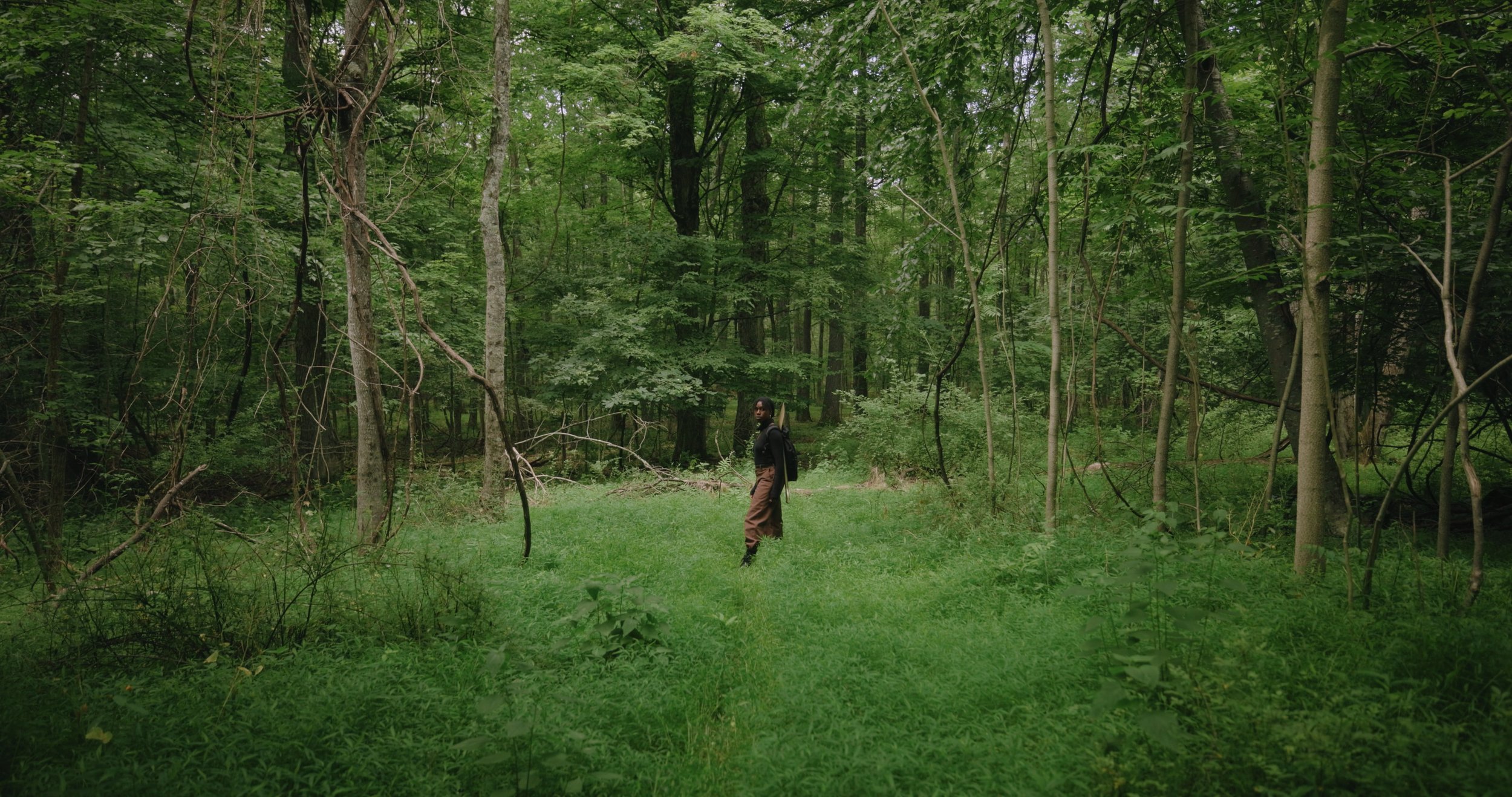
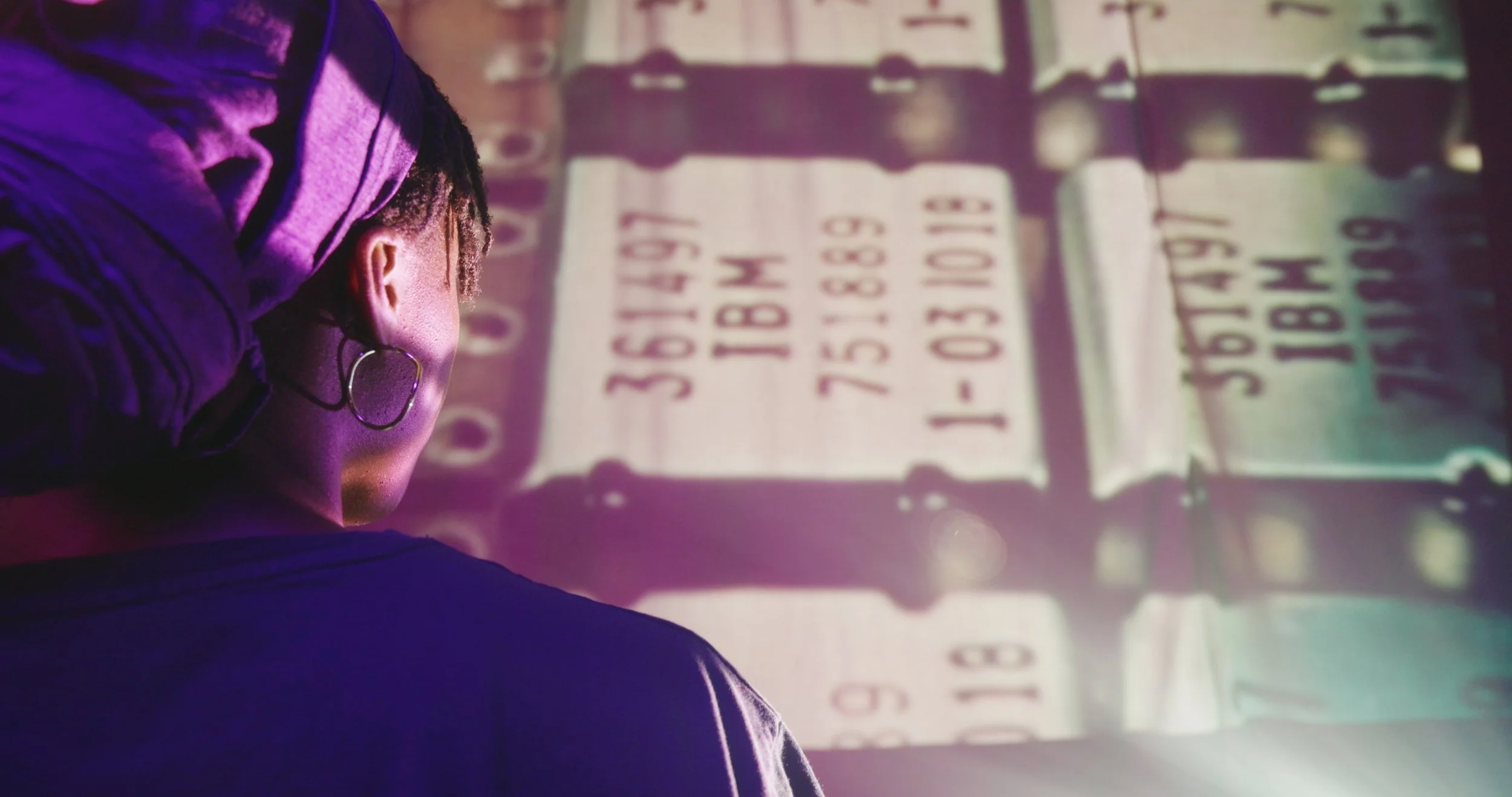
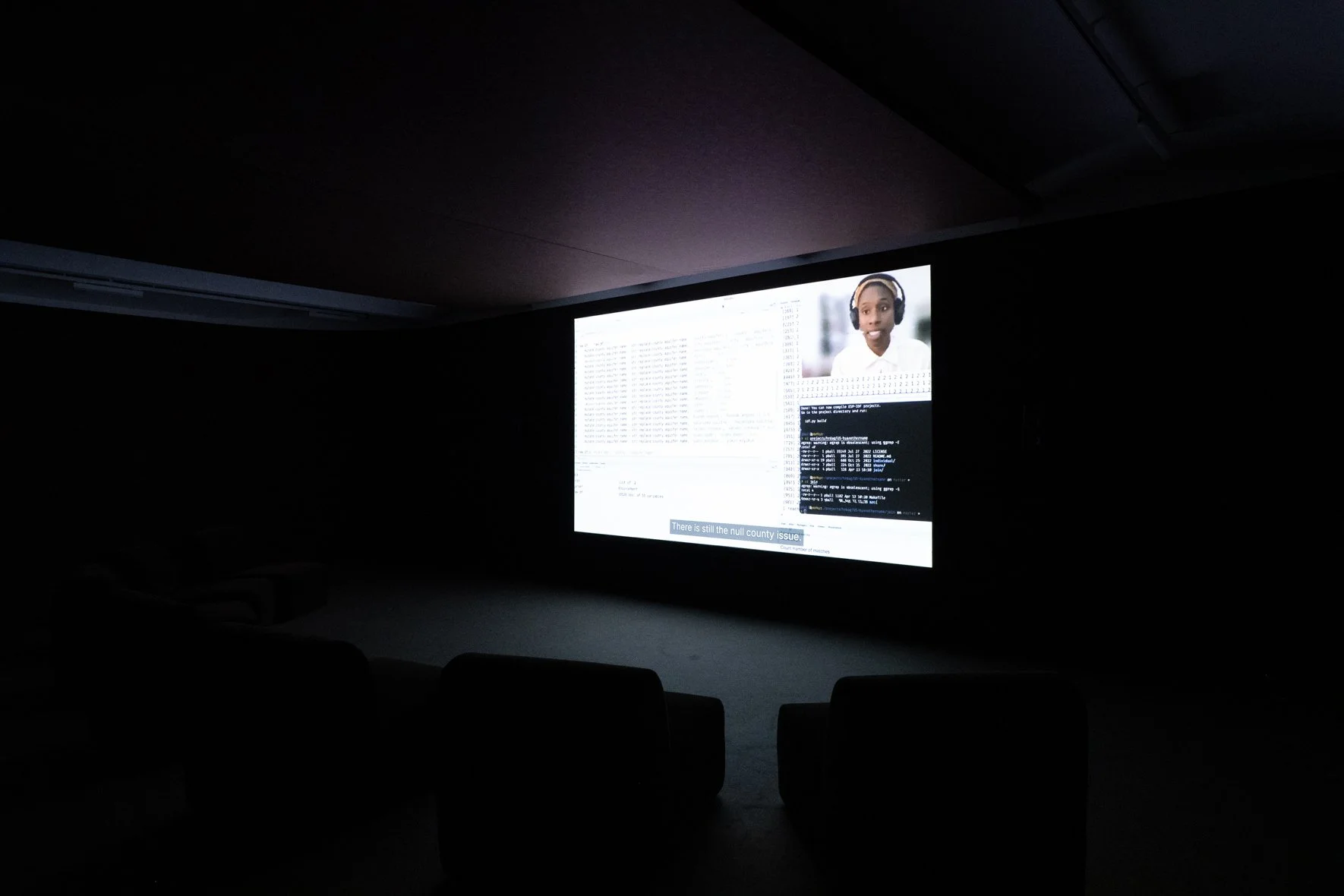
In 2018, the remains of 95 victims of convict leasing were found in a mass grave in Sugar Land, Texas, minutes from where Ọnụọha grew up. In this docufiction film, she builds a machine-learning model to predict where similar graves might be hidden across Texas, only to find the project unraveling in the face of missing records and archival silence. Ground Truths asks what happens when the tools we trust to reveal truth are built from the very systems that produce erasure.
2026 Lumen Prize Winner
View excerpt
No One Told Me, 2025
Site-specific installation,
custom-printed boundary tape
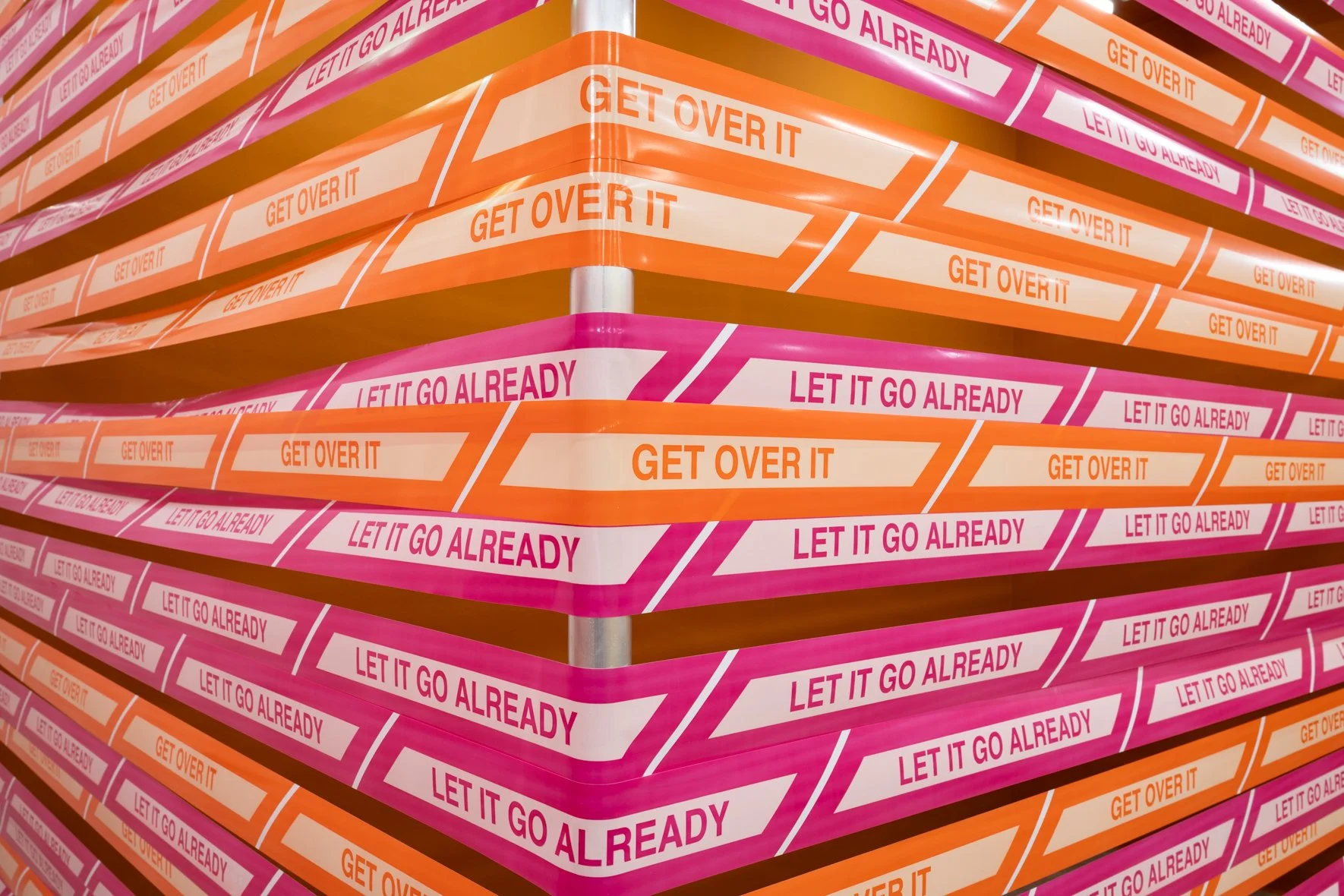
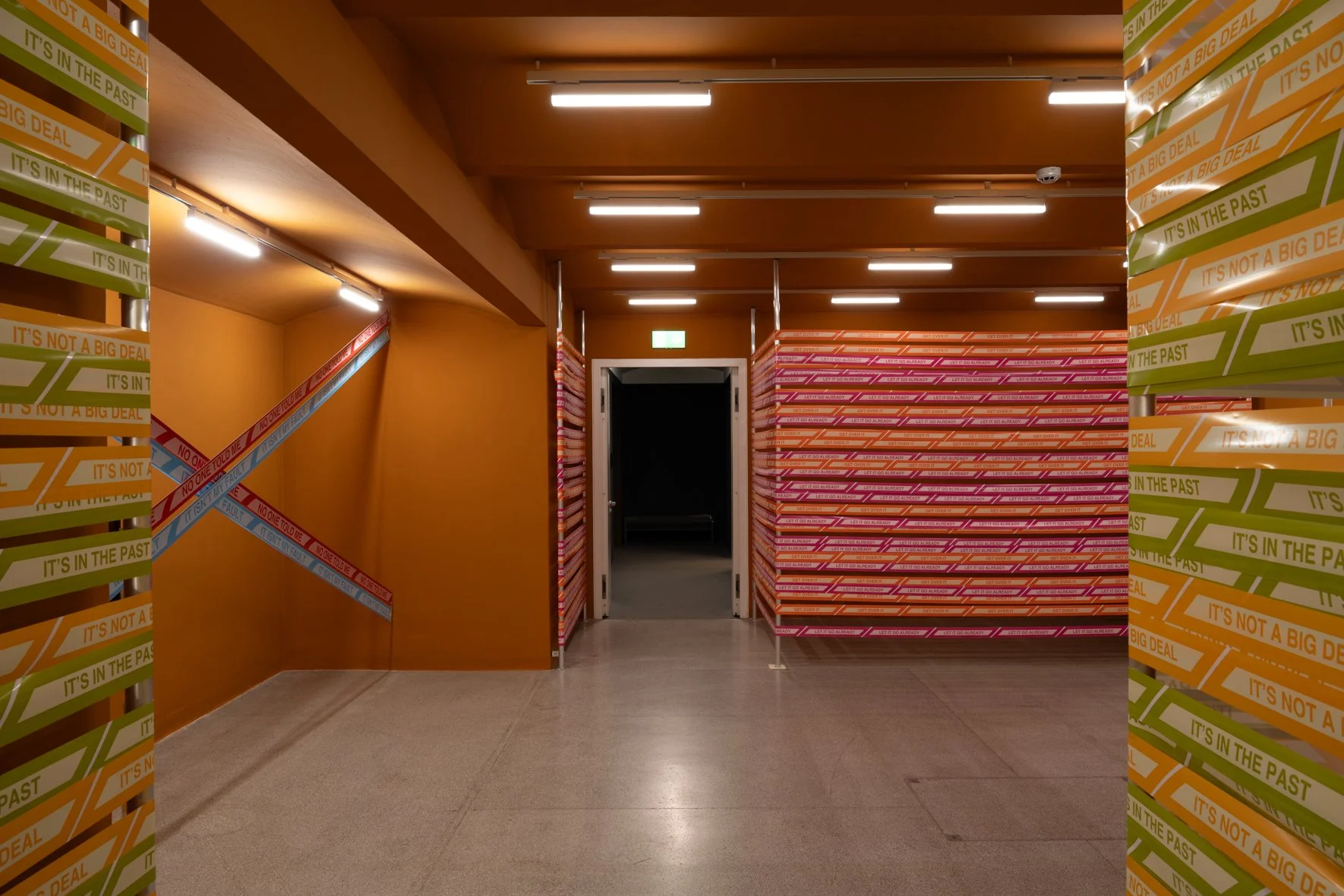
Custom-printed barrier tape bears nine phrases—"no one told me," "how could I have known," "it's not my history," "get over it," and others— that range in tone from deflection to hostility.
These statements of deniability function both architecturally and conceptually, restricting physical access within the gallery and suppressing views of other artwork. The phrases act as mechanisms of active refusal that mirror the psychological barriers humans build to avoid threatening information.
These Networks In Our Skin, 2023
Single-channel video
5:48 minutes, looped
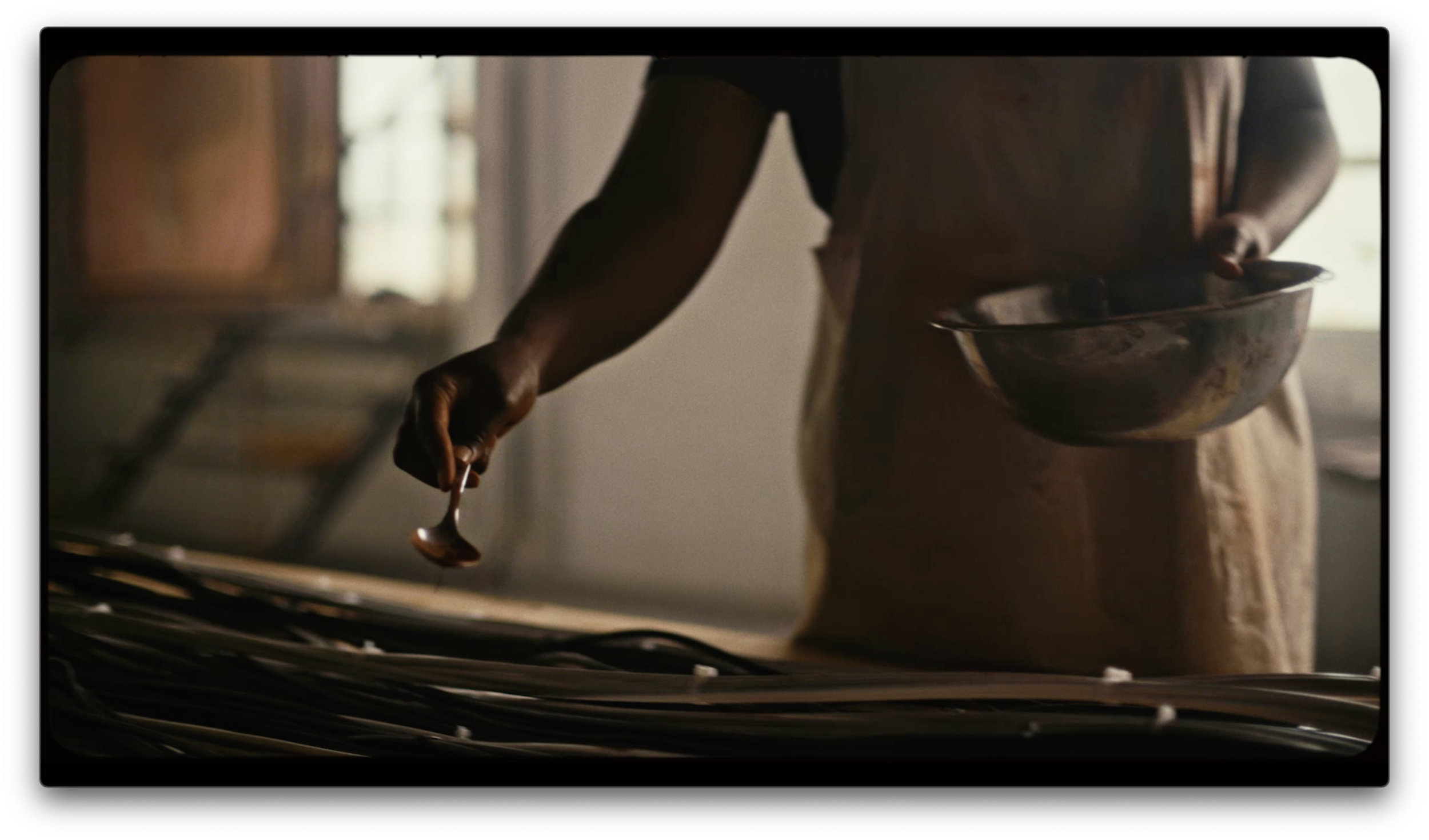
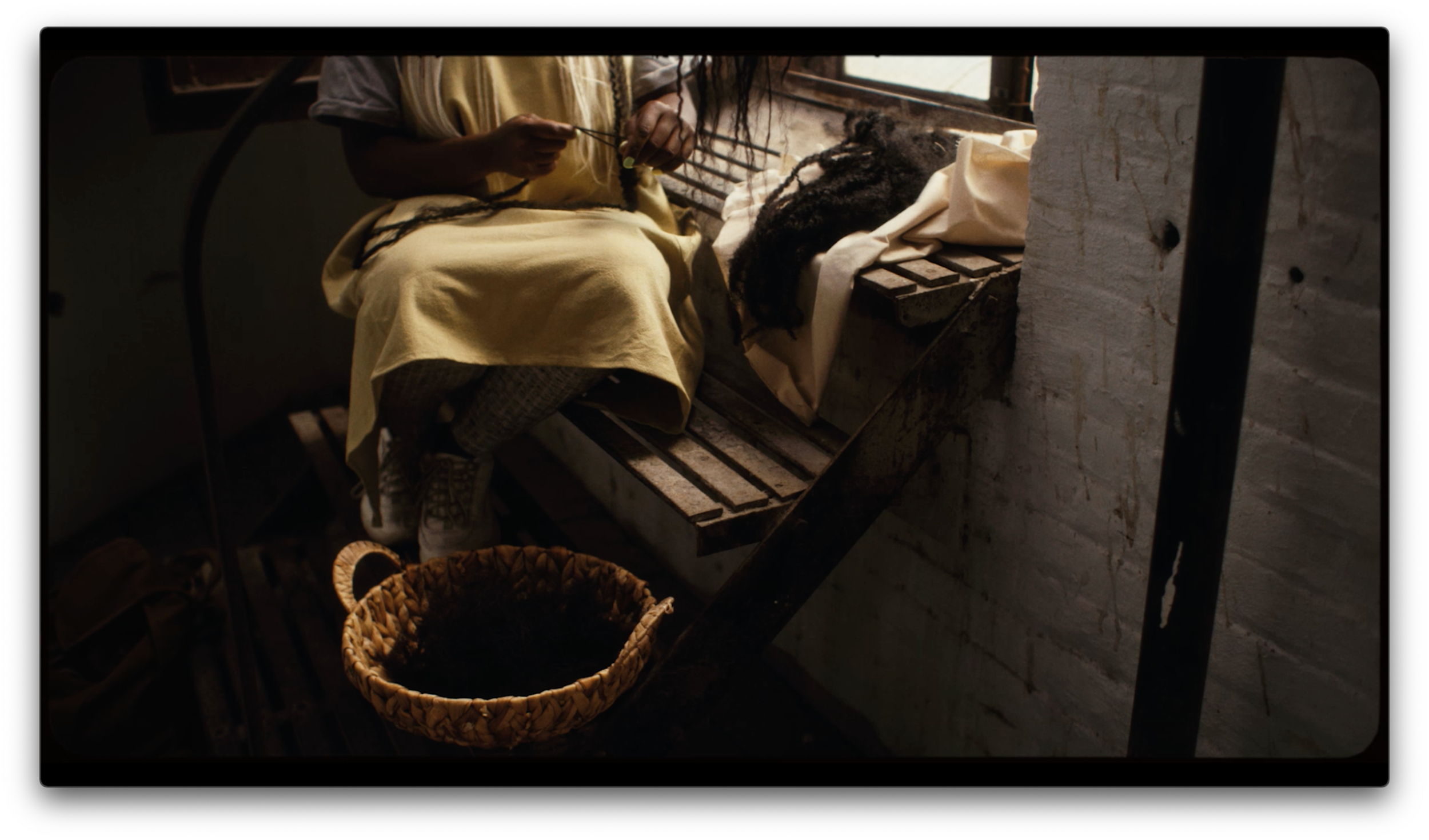
Traditional Nigerian Igbo cosmology speaks of Ala, the goddess of the land, whose dominion includes everything buried within the ground, from crops to ancestors.
In These Networks In Our Skin, Mimi Ọnụọha updates Igbo cosmological tradition to the present-day, enveloping the cables that run beneath the ground as a space under Ala’s dominion. In the short film, four women (whose faces remain obscured throughout the entire piece) collectively work to rewire the cables that carry the information that powers the world, filling them with materials of significance — dust, hair, spices — that draw on themes of ritual and collectively.
This work is typically shown alongside The Cloth In The Cable.
View excerpt
password: these_networks
The Cloth In The Cable, 2023
Mixed-media installation
75 feet of cable with hair, spices, cloth, earth
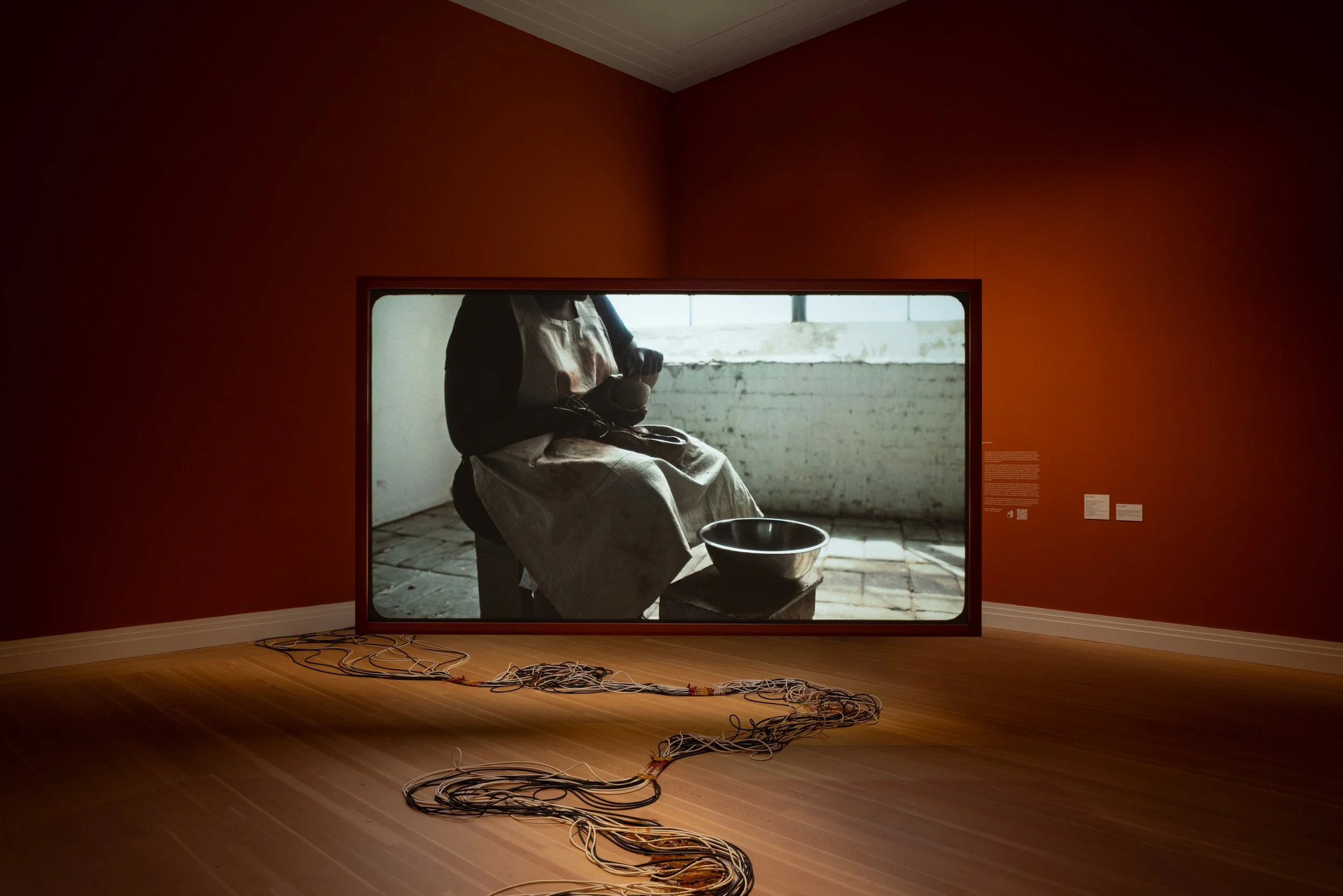
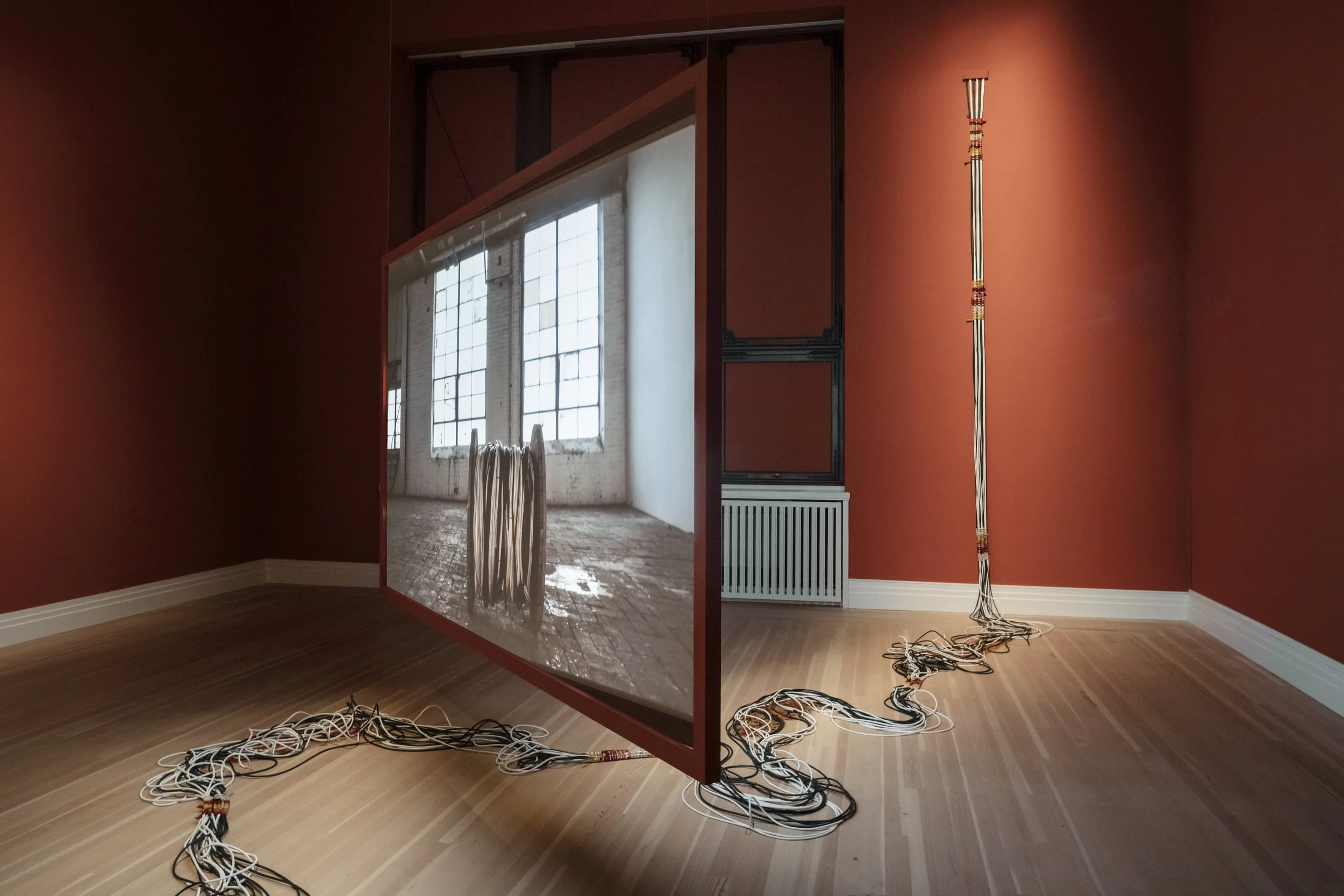
In a dreamlike installation that draws on Igbo tradition, data cables are laced with culturally significant materials (spices, cloth, and soil) to infuse them with new values. In the face of what Ọnụọha describes as “algorithmic violence” — the devastating impact on and exclusion of whole ‘categories’ of people inflicted by the calculations of automated decision-making systems — she conjures a new mythology to better govern the maintenance of the technical infrastructure that connects the world.
Wherever The Cloth In The Cable is shown, Ọnụọha invites a local designer or practitioner to embellish the data cable installation with techniques that draw on their own personal heritage.
This work is typically shown alongside These Networks In Our Skin.
The Library of Missing Datasets (series), 2016 - ongoing
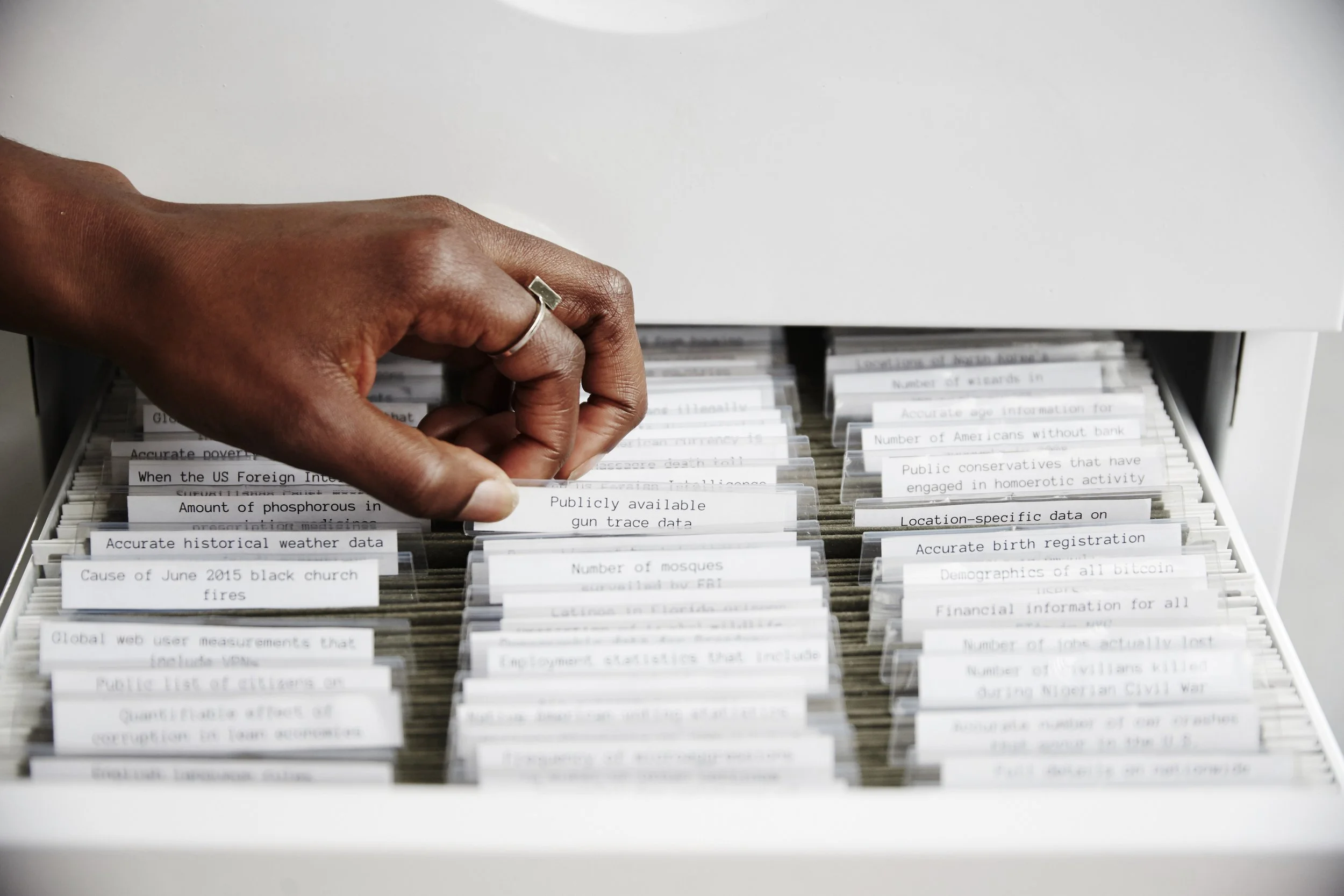
Installation of steel filing cabinets and folders
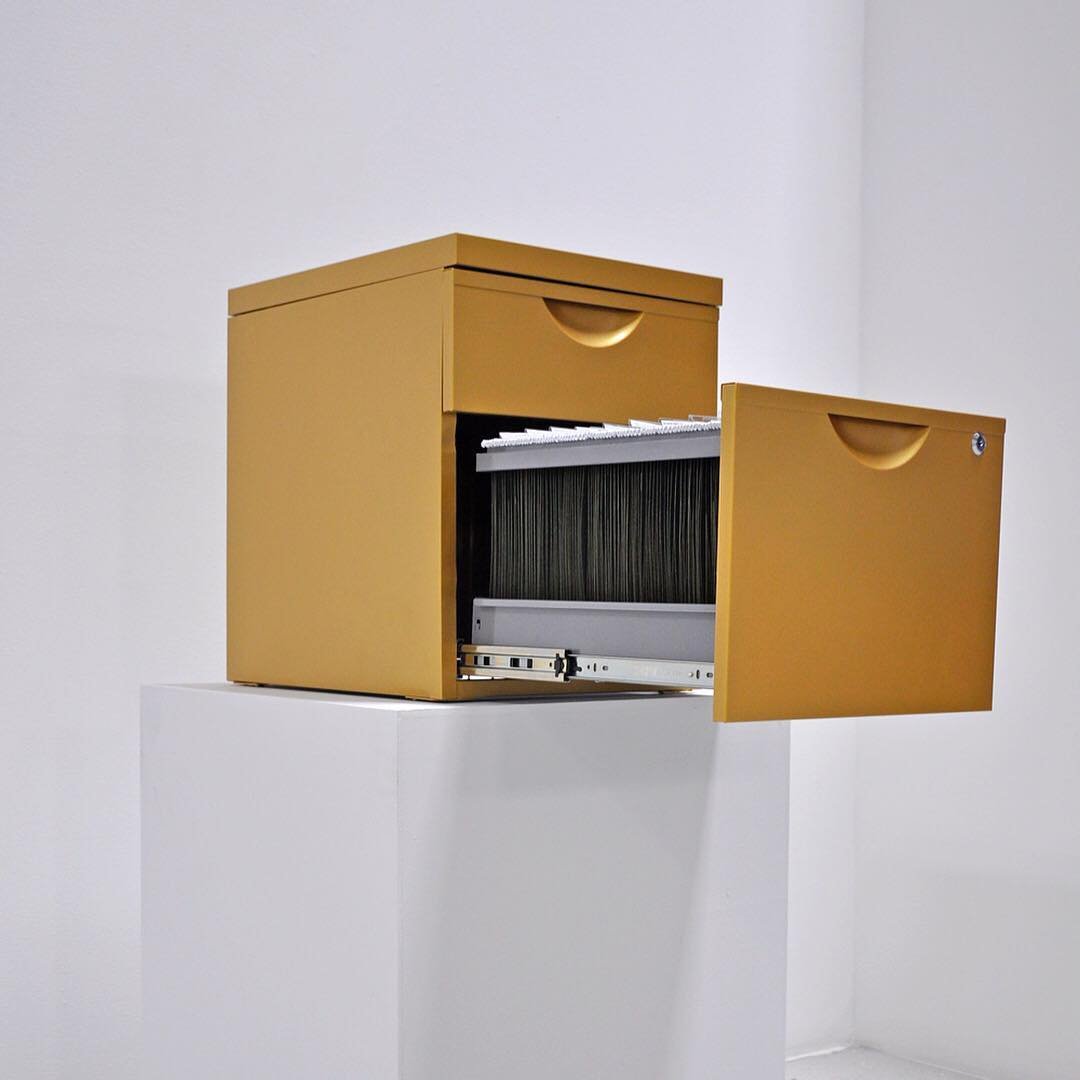
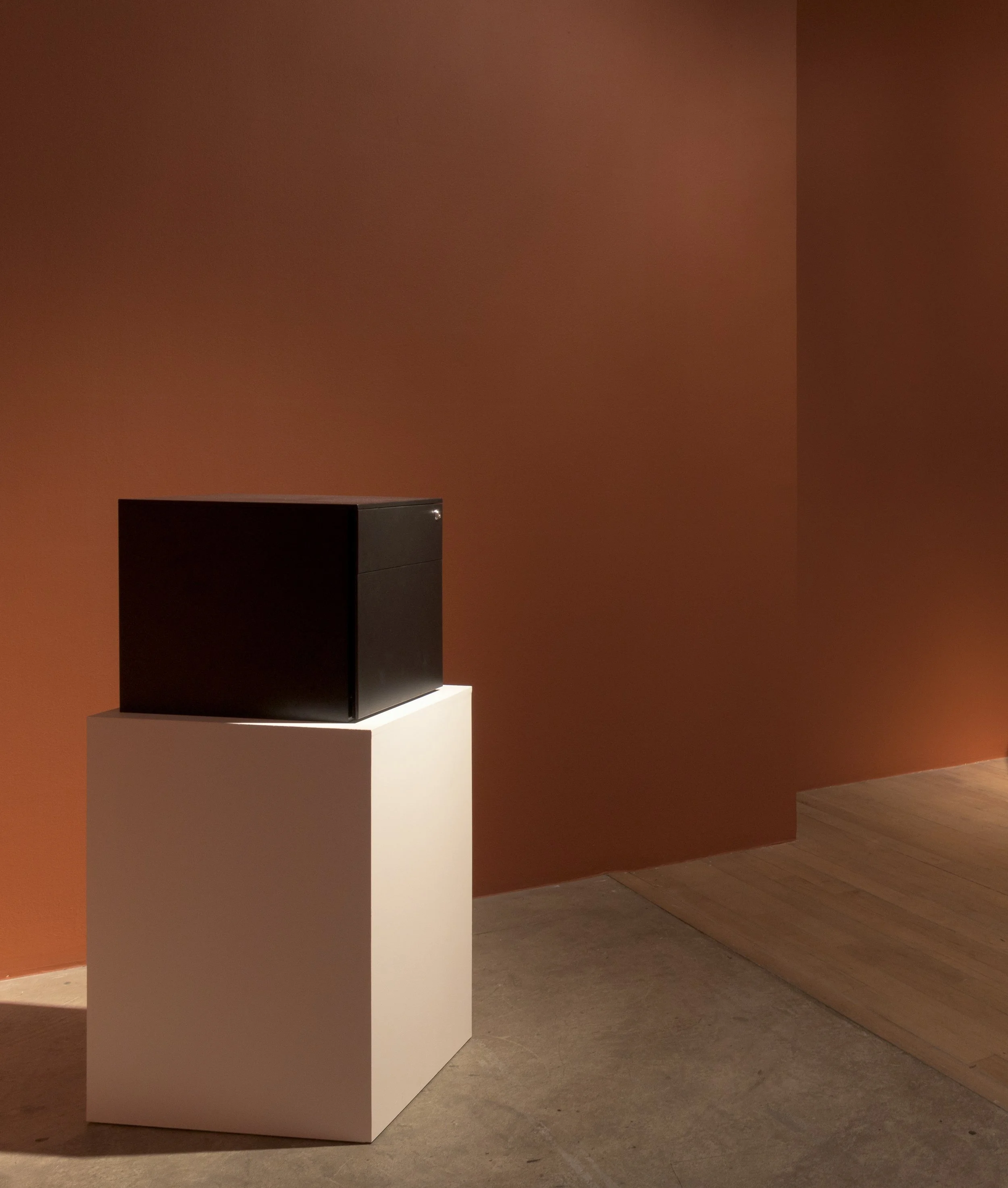
The Library of Missing Datasets (2015–ongoing) is a series of physical repositories that examine what is systematically excluded in our data-saturated society. The project maps the "blank spots" where information could, exist but doesn't.
The series begins with an ongoing archive of empty folders, each titled with a missing dataset drawn from a master list Ọnụọha has maintained since 2015, together creating a pattern of what kinds of information are deemed important or disposable.
The Library of Missing Datasets v2.0 narrows its focus to nonexistent datasets related to pan-Africanism, addressing the paradox of Black people being over-represented in data collection yet systematically excluded from the processes of gathering and interpreting that data.
The Library of Missing Datasets v3.0 is a smaller, locked cabinet contains high-risk datasets whose very existence could endanger those entangled within them. By restricting access, the work confronts the paradoxically inverse relationship between transparency and protection, acknowledging that visibility can be both a tool of accountability and a weapon.
In Absentia, 2019
Print installation
six 11” x 17” risograph prints
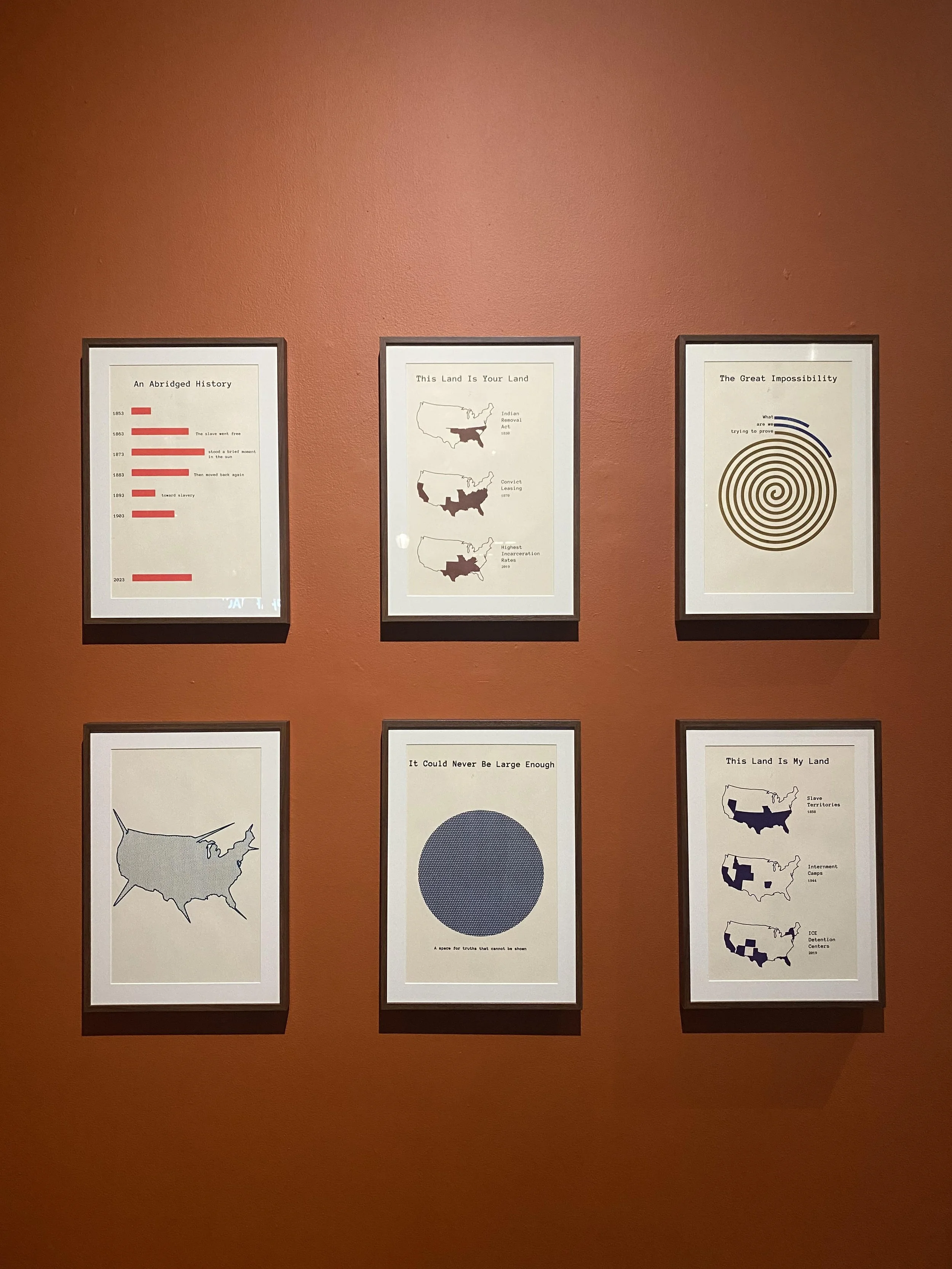
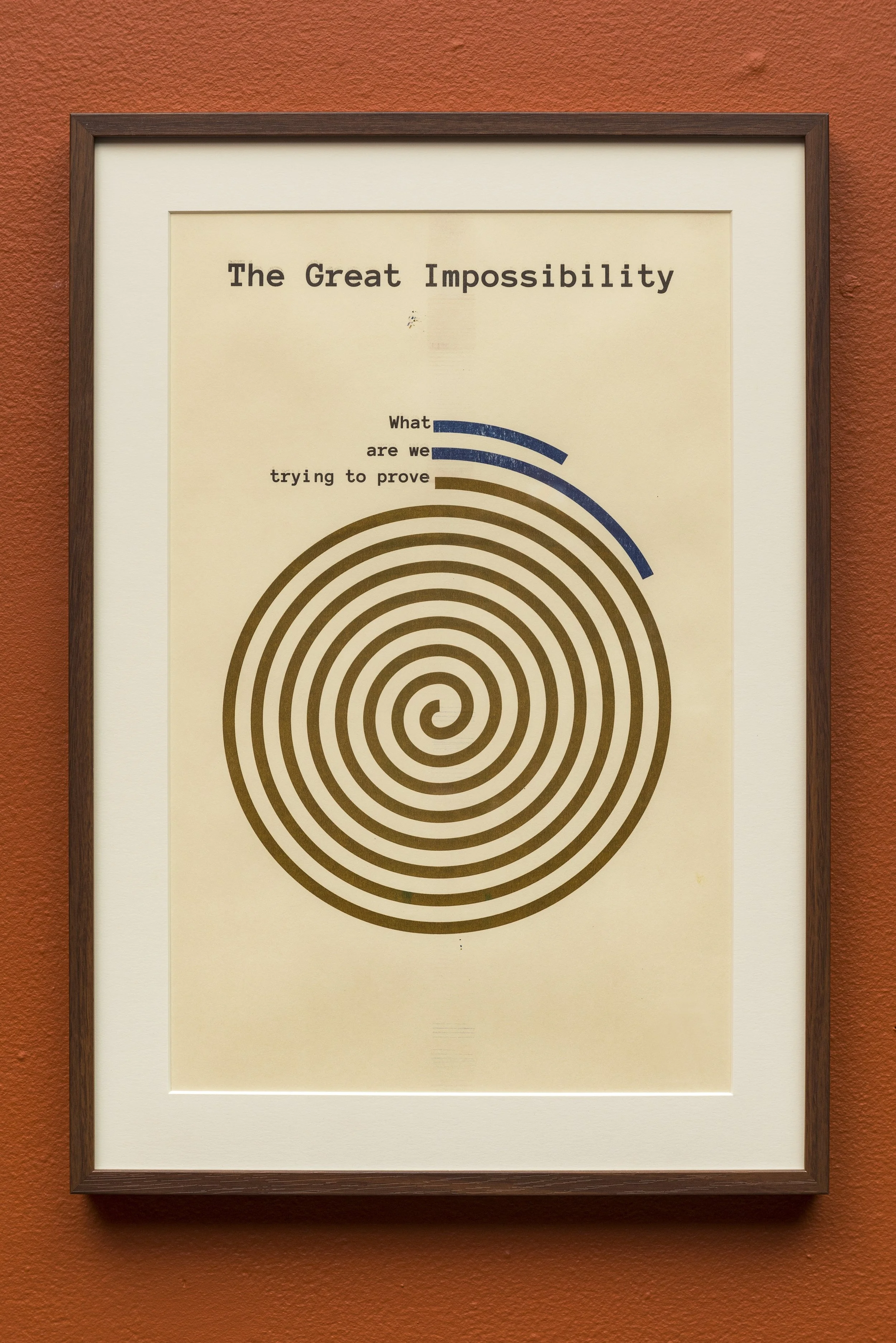
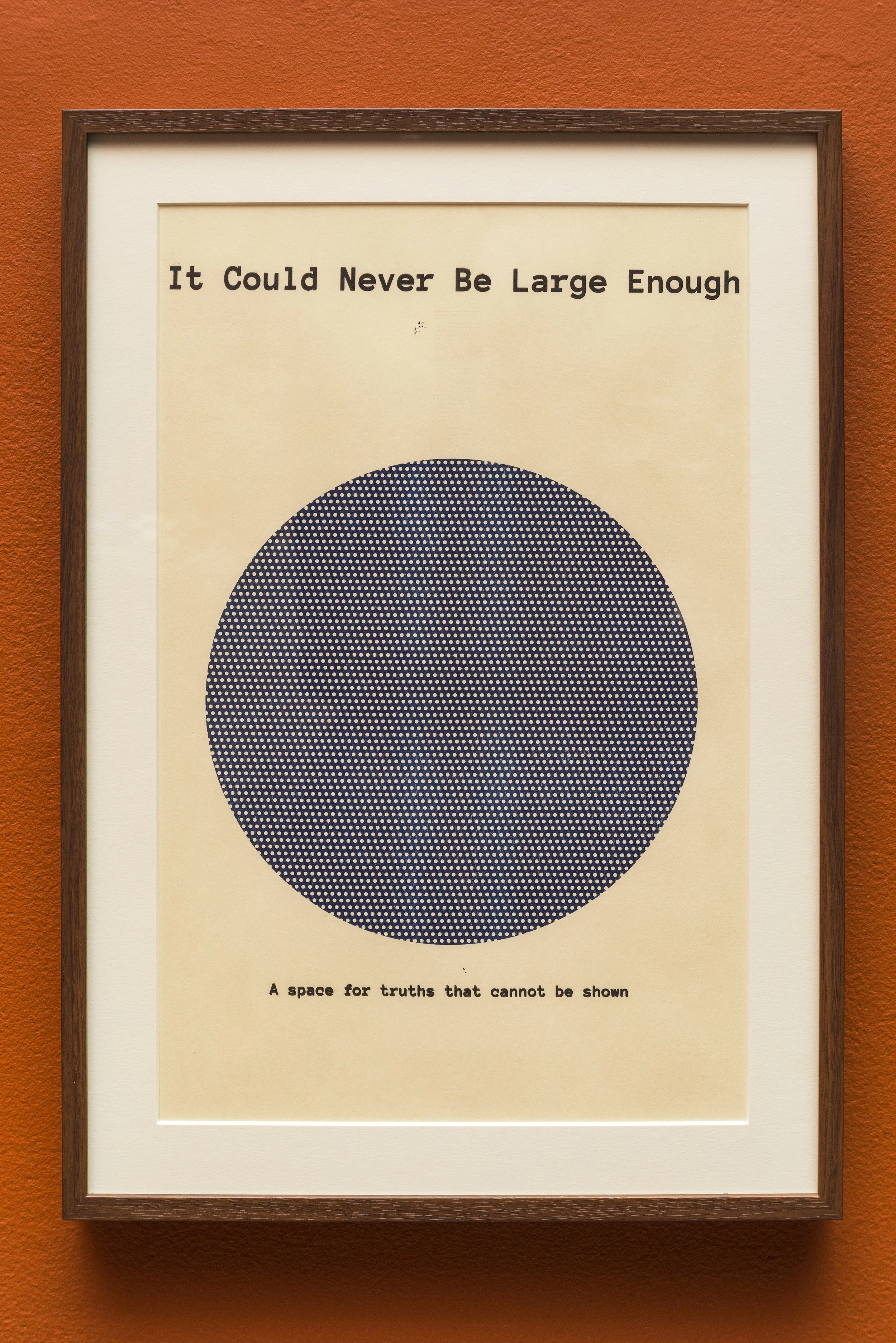
In the early 1900s, sociologist W.E.B. Du Bois was commissioned by the US Bureau of Labor to study Black rural life in Lowndes County, Alabama. The report he produced was never published.
In In Absentia, Mimi Ọnụọha creates a series of risograph prints that take up this disappearance. Mimicking the style of Du Bois’s hand-drawn data portraits, the prints turn from the lost information to the conditions that required it: a world where oppression must be proven in charts to be believed.
40% of Food in the US is Wasted
(How the Hell is That Progress, Man?) 2022
Interactive single channel video, archival footage + software
color, sound
5:48 minutes, looped
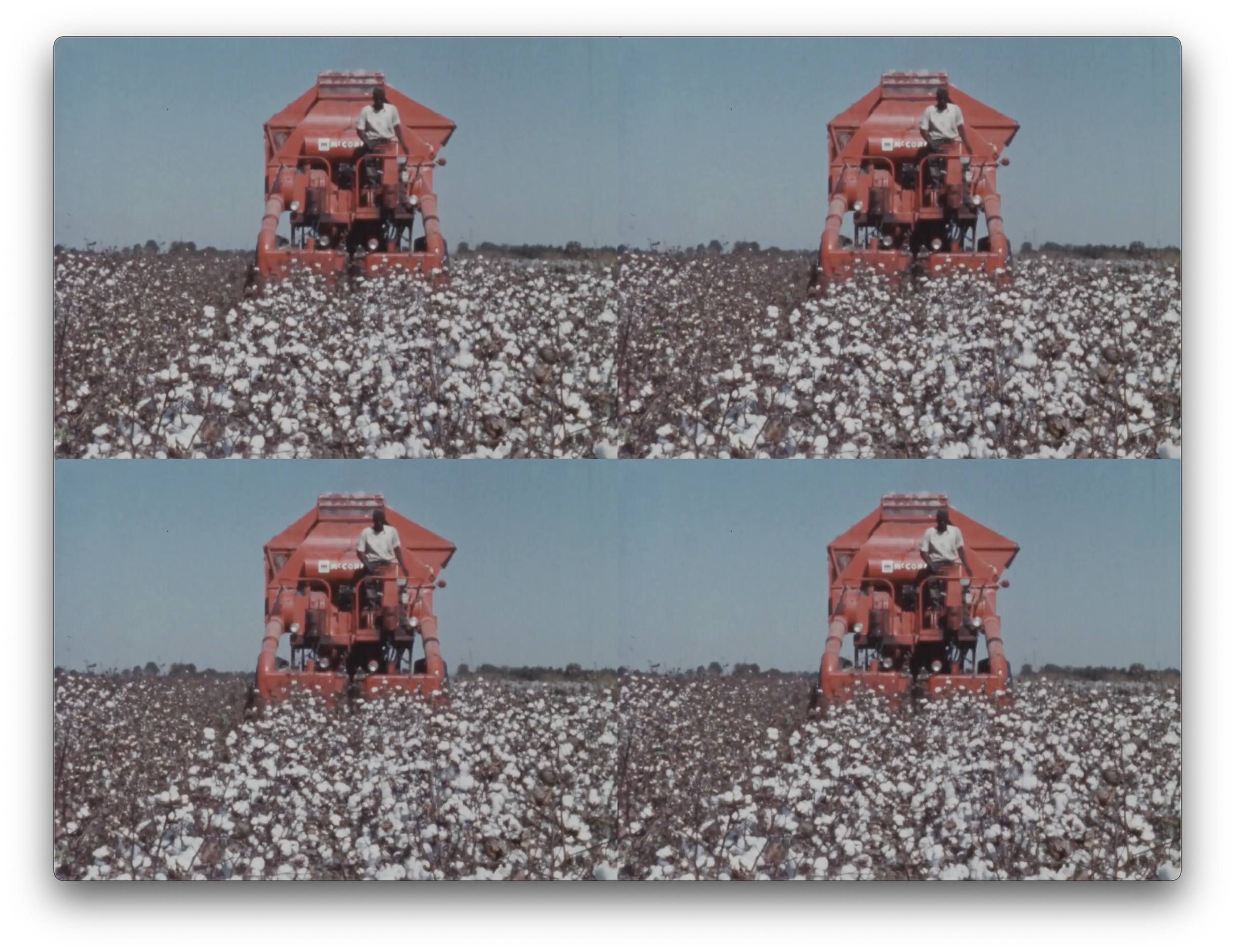
Mimi Ọnụọha’s 40% of Food in the US is Wasted (How the Hell is That Progress, Man?) is an interactive video composed of archival video clips from the 1950s–1980s. Advertising the technological optimism of big agriculture, the sampled footage and audio betray the myth of agricultural systems geared towards ever-increasing production and yield rather than equitable distribution. Retrospectively, the videos function as a reality check to the solutions they once proclaimed.
The artwork’s title emphasizes the reality of food waste, referencing the USDA’s own damning estimate that 30–40% of food in the US is wasted. The presentation of the video clips in a repetitive grid formation advanced by continuous clicking amplifies the redundancies built into the process of automation. Ọnụọha ends the work with a repeated question taken from the archival videos: “How the Hell is That Progress, Man?”
Whitney Artport commission
View the interactive artwork
We Don’t Talk About That, 2025
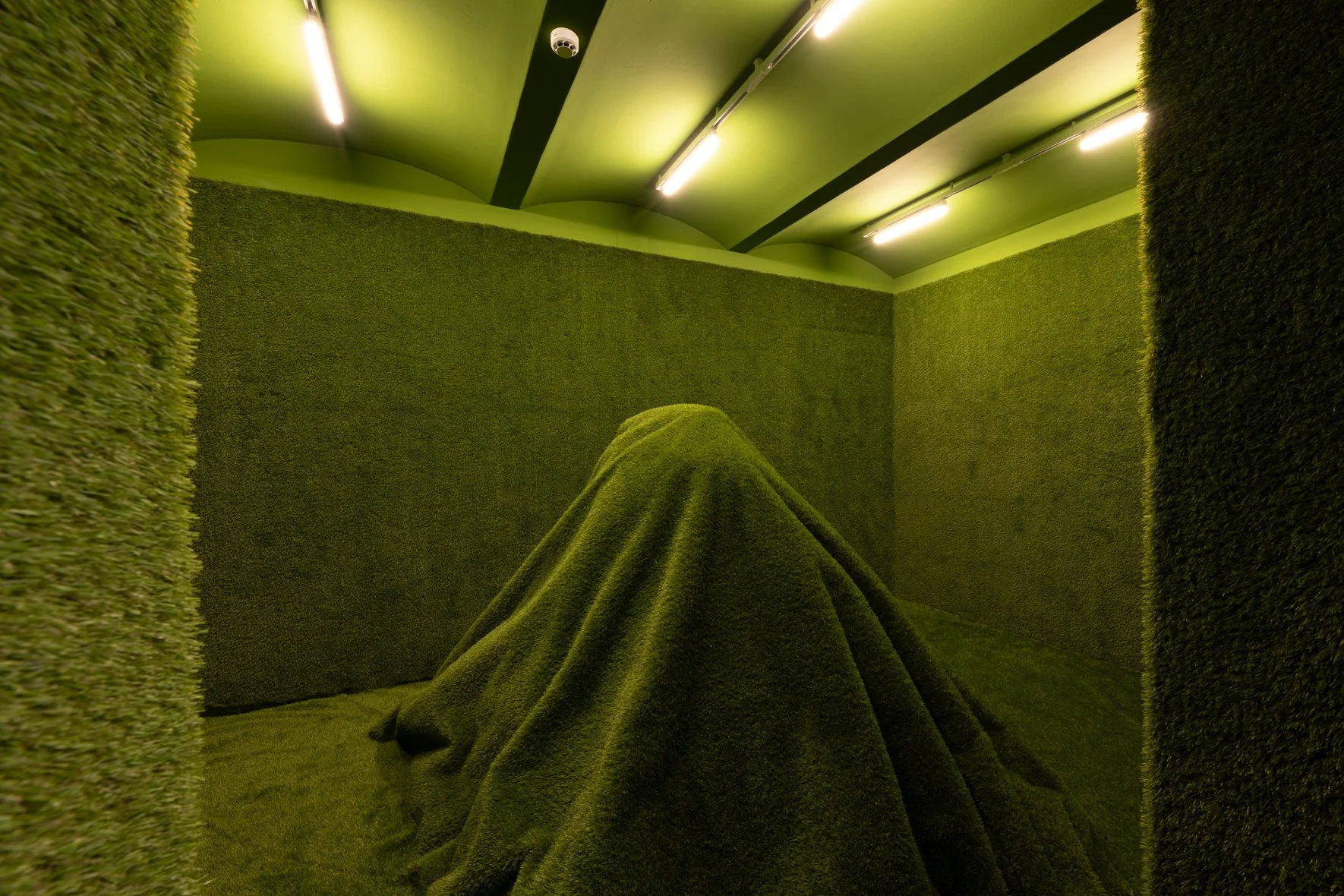
Site-specific immersive installation
astroturf, green paint
In We Don’t Talk About That, a room is covered entirely in artificial turf: walls, floor, and an irregular mound viewers can touch, walk around, and climb. Visitors move across a landscape that evokes the manicured order of the suburbs, where the unspoken is always present, but out of sight.
Photos courtesy of: Secession, bitforms gallery, Gropius Bau, the artist
Photo credits: Sophie Pölzl, Emile Askey, Pavel Ezrohi